How Do Chatbots Revolutionise Conversational Marketing for Better Customer Experience?
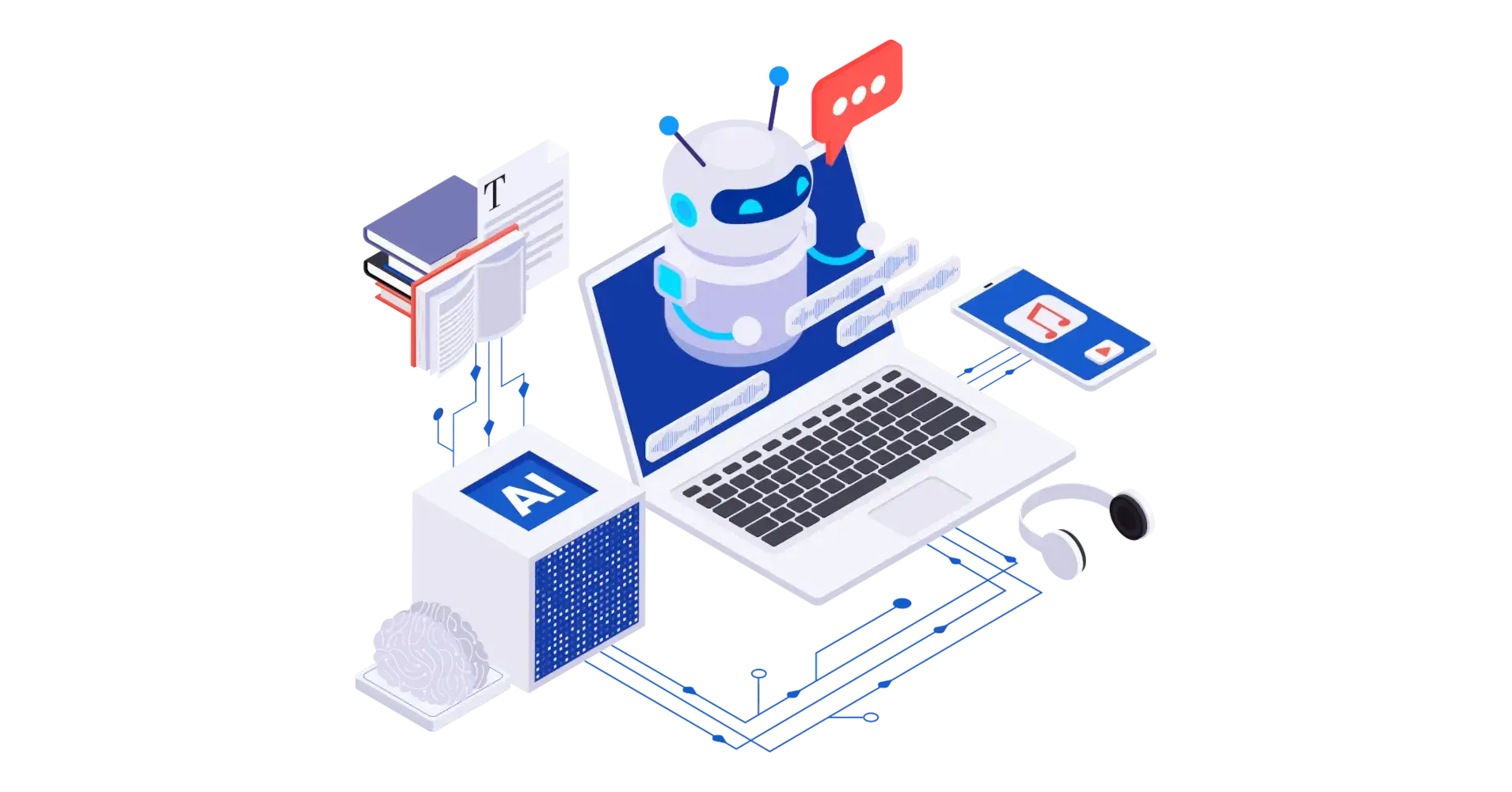
Imagine getting instant answers to your questions at any time, without waiting on hold or sifting through a website. That’s the power of chatbots and conversational marketing creating seamless, real-time interactions that drive stronger customer connections. These AI-powered tools are transforming how businesses connect with customers, offering real-time, personalised interactions that feel human. Conversational marketing takes it further by creating two-way dialogues that build trust and loyalty. Together, they’re redefining customer experience, making it more seamless, engaging, and efficient.
This article dives into how chatbots and conversational marketing work together to elevate customer interactions. We’ll explore their benefits, real-world examples, and practical implementation steps, plus a peek at future trends. Whether you’re a business owner or a curious consumer, you’ll see why these technologies are game-changers in 2025.
What Is a Chatbot?
Chatbots are automated conversational agents powered by AI, designed to interact with customers in real time. They can be simple, rule-based systems or advanced tools using natural language processing (NLP) to handle complex queries. Chatbots operate on websites, social media, or messaging apps, answering questions, guiding purchases, or resolving issues.
What Is Conversational Marketing?
Conversational marketing is a strategy focused on engaging customers through interactive, real-time, two-way communication to build relationships and drive conversions. Unlike traditional marketing, which often feels one-sided, this approach uses tools like chatbots to create personalised, engaging dialogues. It meets customers where they are on their preferred platforms and builds relationships that drive loyalty.
How Do They Work Together?
Chatbots are key to conversational marketing, enabling instant, two-way communication that enhances customer engagement and response times. They analyse customer data to deliver tailored responses, guide users through the sales funnel, and provide instant support. This synergy creates a customer-centric experience that feels personal and efficient.
Benefits of Using Chatbots in Conversational Marketing
Chatbots offer a range of advantages that make them indispensable for modern marketing. Here’s a breakdown:
Enhanced Customer Experience
- Instant Responses: Chatbots provide answers in seconds, reducing wait times and boosting satisfaction.
- 24/7 Availability: They operate around the clock, ensuring global customers get support anytime.
- Personalisation: By analysing data, chatbots offer tailored recommendations, with 80% of users reporting positive experiences (Uberall).
- Human-Like Interaction: Advanced NLP makes conversations feel natural, fostering emotional connections.
Cost Reduction
- Automation: Chatbots handle up to 80% of routine queries, saving 30% on customer service costs (Invesp).
- Scalability: They manage multiple enquiries simultaneously, reducing the need for additional staff.
- Efficiency: Automation frees human agents to tackle complex issues, optimising resources.
Increased Sales
- Lead Nurturing: Chatbots engage visitors in real time, qualify leads, and guide purchases, with a 67% increase in lead generation reported (Dashly).
- Upselling/Cross-Selling: They suggest complementary products based on purchase history.
- Market Growth: Retail spending via chatbots is projected to hit $142 billion by 2024, up from $2.8 billion in 2019 (Juniper Research).
Improved Business Agility
- Internal Agility: Automating tasks allows staff to focus on strategic goals.
- External Agility: Chatbots adapt quickly to customer needs and market changes, enhancing competitiveness.
SEO and Engagement Benefits
- Lower Bounce Rates: Real-time engagement keeps visitors on sites longer, improving SEO.
- Conversational Marketing: Dynamic dialogues move customers closer to conversion.
How Do Chatbots Enhance Customer Experience?
Chatbots are reshaping customer interactions in several ways:
- Seamless Customer Journey: From browsing to buying, chatbots guide users smoothly, reducing friction and resolving issues quickly.
- Personalised Interactions: Using customer data, they offer tailored suggestions, like recommending products based on past purchases.
- Multilingual Support: Chatbots communicate in multiple languages, serving diverse audiences.
- Non-Judgemental Environment: Customers feel comfortable asking simple or sensitive questions without fear of judgement.
- Continuous Learning: AI-powered chatbots improve over time, analysing interactions to provide more accurate responses.
According to a 2020 report by Juniper Research, chatbots were expected to manage over 75% of customer interactions by 2023, underscoring their expanding importance in customer service.
Implementing Chatbots in Your Marketing Strategy
Ready to integrate chatbots? Follow these steps:
- Choose a Platform: Opt for solutions like Yellow.ai that offer advanced AI and integration capabilities.
- Set Clear Goals: Decide if you want to boost sales, improve service, or both.
- Customise and Train: Use NLP to align the chatbot with your brand’s tone and needs.
- Integrate Across Channels: Ensure accessibility on websites, social media, and apps.
- Monitor and Optimise: Analyse performance data to refine responses and improve outcomes.
Future Trends in Chatbots and Conversational Marketing
The future of chatbots is promising, with these trends on the horizon:
- Advanced AI and NLP: Chatbots will handle complex queries with greater accuracy.
- Voice Search Integration: They’ll support voice-based interactions, aligning with tools like Alexa.
- Predictive Analytics: AI will anticipate customer needs and offer proactive solutions.
- Omnichannel Presence: Seamless integration across all touchpoints, from websites to in-store kiosks.
Conclusion
Chatbots and conversational marketing are transforming how businesses engage with customers. By offering instant, personalised, and scalable solutions, they enhance satisfaction, reduce costs, and drive sales. Real-world examples such as Domino’s, Hyundai, and IndiGo Airlines demonstrate their impact, while future advancements promise even greater potential. Businesses that adopt these technologies in 2025 will likely gain a competitive edge, creating meaningful connections that keep customers coming back.