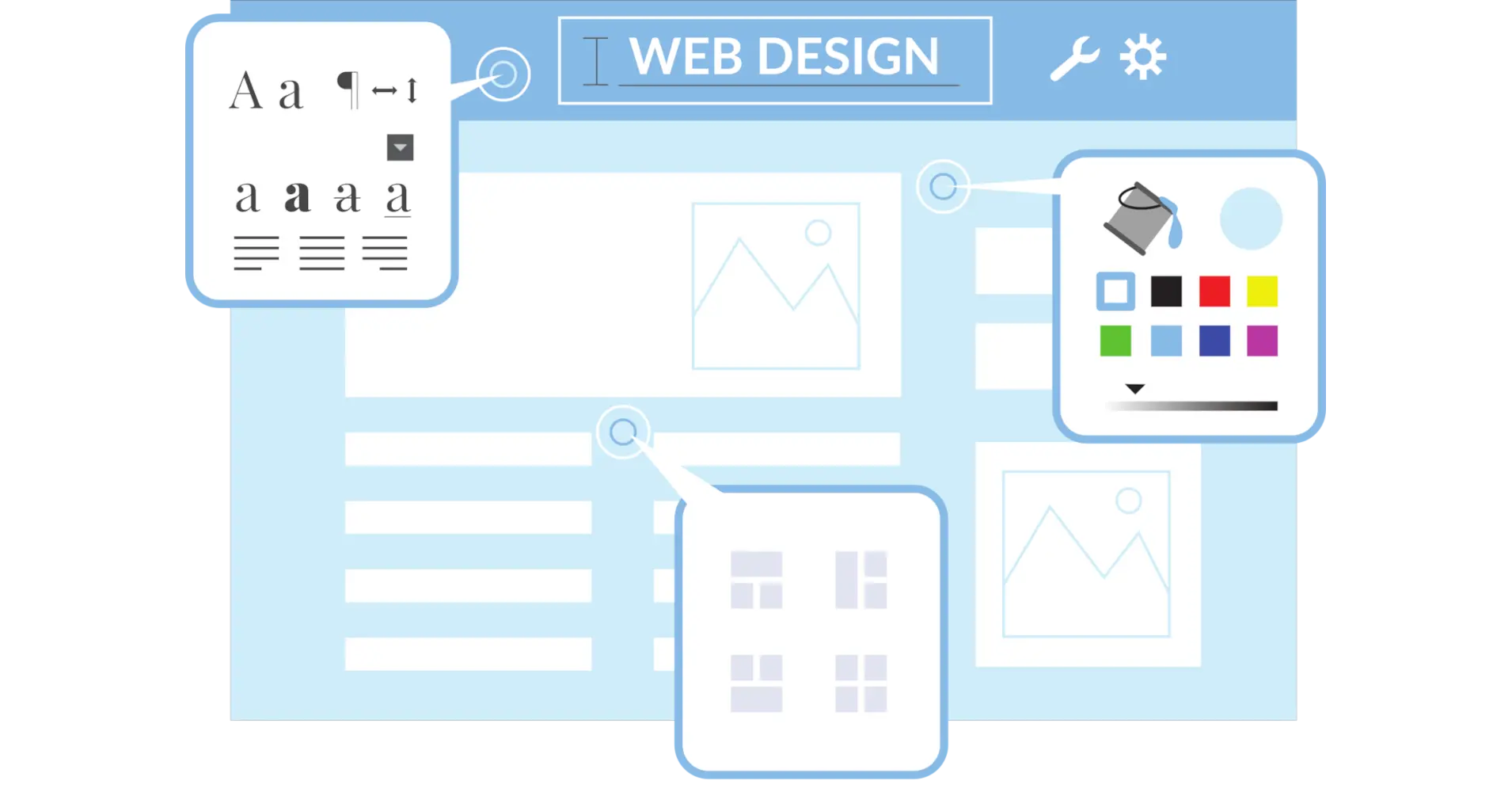
In today’s rapidly shifting digital world, a B2B website goes far beyond being a simple online presence—it plays a vital role in driving your overall marketing efforts. With businesses vying for attention in an increasingly crowded online space, the design of your website can determine whether you attract, engage, and convert potential clients or lose them to competitors. So, what role does web design really play in achieving B2B marketing success?
This article dives into the pivotal role of website design, exploring its impact through user experience, mobile optimisation, SEO performance, and visual credibility. If you’re aiming to elevate your B2B marketing game, understanding these elements is your first step toward building a website that drives results.
1. User Experience: Keeping Visitors Hooked
Imagine a potential client lands on your website but leaves within seconds because it’s confusing or slow. That’s a missed opportunity—and poor user experience (UX) is often the culprit. A well-designed B2B website prioritises UX to ensure visitors stay engaged and move closer to a purchasing decision.
Key UX factors include:
- Simple Navigation: Logical menus and layouts make it effortless for users to explore your offerings.
- Speed: Websites that load in under three seconds retain visitors better, reducing bounce rates.
- Actionable CTAs: Strategically placed calls-to-action—like “Get a Quote” or “Learn More”—guide users seamlessly through your sales funnel.
A website that’s intuitive and efficient doesn’t just satisfy visitors; it amplifies your marketing efforts by turning casual browsers into qualified leads.
2. Mobile Optimization: Meeting Clients Where They Are
Did you know that over 50% of B2B research now happens on mobile devices? If your website isn’t optimised for smartphones and tablets, you’re alienating a massive audience. Having a mobile-friendly site isn’t optional—it’s essential for staying competitive in the marketing game.
Why it matters:
- Accessibility: A responsive design adjusts to any screen size, ensuring a smooth experience for all users.
- Engagement: Mobile-friendly sites encourage longer visits and higher interaction rates.
- Search Boost: Google rewards mobile-optimised websites with better rankings, increasing your visibility.
A mobile-ready website ensures you’re accessible to decision-makers on the go, making it a critical piece of your B2B marketing puzzle.
3. SEO Performance: Getting Found by the Right Audience
No matter how visually impressive your website is, it won’t make an impact without effective SEO strategies. Search engine optimisation ties directly into design, helping your B2B site rank higher and attract organic traffic from potential clients actively searching for your solutions.
SEO essentials in design:
- Fast Load Times: Speed is a ranking factor—optimise images and code for quick performance.
- Structured Content: Use headers (H1, H2) and meta tags to help search engines understand your site.
- Keyword Integration: Naturally weave terms like “B2B website design” and “marketing success” into your content.
A design that aligns with SEO best practices doesn’t just improve discoverability—it positions your brand as a leader in your industry.
4. Visual Credibility: Making a Lasting Impression
In B2B, trust is everything. The visual design of your website forms the first impression prospects have of your business, and it can influence trust and perception. A professional, polished look signals reliability and expertise.
Design tips for credibility:
- Quality Graphics: High-resolution images and videos elevate your site’s appeal.
- Brand Consistency: Uniform colours, fonts, and logos reinforce your identity.
- Clean Layouts: Avoid clutter—whitespace and readable text enhance professionalism.
A visually striking website not only captures attention but also enhances your marketing efforts by building trust and promoting meaningful user engagement.
5. Lead Generation: Turning Design into Results
Design isn’t just about visual appeal—it’s a powerful tool for attracting and converting leads. By integrating marketing-focused features into your website, you can transform it into a powerful tool for capturing and nurturing prospects.
How design drives leads:
- Bold CTAs: Highlight buttons like “Contact Us” to prompt immediate action.
- Targeted Landing Pages: Create pages tailored to specific campaigns for higher conversion rates.
- Easy Contact Options: Streamlined forms and live chat options remove barriers to inquiry.
When your website design aligns with your marketing goals, it becomes a 24/7 sales engine, delivering measurable business growth.
Conclusion: Design Your Way to B2B Success
A strategically designed B2B website is a game-changer for marketing success. By optimising user experience, embracing mobile responsiveness, boosting SEO, and enhancing visual appeal, you can create a digital presence that attracts, engages, and converts. In 2025, investing in website design isn’t optional—it’s a competitive edge that sets your business apart.
Is your B2B marketing ready for its next big leap? Start with a website that works as hard as you do.